
Iran News: Middle East Politics and Power Struggles
Iran News helps readers understand how power, politics, and strategy shape the Middle East. Because the region connects key trade routes and holds large energy reserves, global attention remains strong. Therefore, every political move, alliance shift, and policy change can affect both regional stability and world markets.
At the same time, Iran stands at the center of many regional debates. While it promotes its security and influence, other states respond with their own strategies. As a result, power struggles continue across borders, and tensions rise and fall in cycles. Moreover, diplomacy, sanctions, and proxy conflicts all play roles in this complex picture.
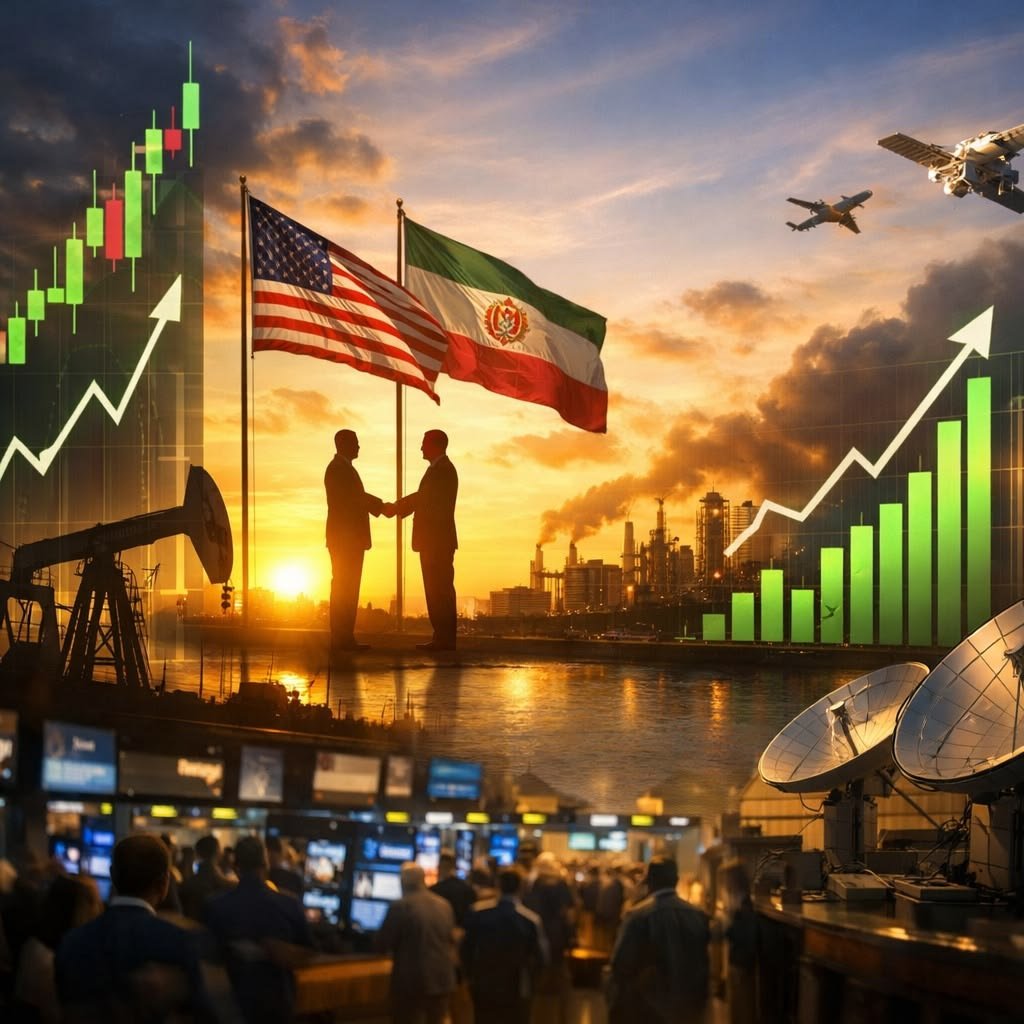
Iran News: The Middle East: Why It Matters
Geography and Trade Routes
The Middle East sits between Asia, Europe, and Africa. Therefore, it controls important sea lanes like the Strait of Hormuz and the Suez Canal. Because energy shipments pass through these routes, any disruption can affect global supply. As a result, governments watch the region closely.
Energy and Economic Power
Oil and gas remain key resources in the Middle East. While many countries export energy, Iran holds some of the largest reserves. Therefore, changes in its policy can move global prices. In addition, energy revenue funds state programs and regional influence.
History and Identity
History shapes today’s politics. Empires, borders, and past wars still influence current decisions. At the same time, identity—religious, national, and cultural—guides public opinion. Therefore, leaders often balance internal demands with external pressures.
Iran’s Political System and Strategy
Governance Structure
Iran News: Islamic Republic. The Supreme Leader sets broad direction, while the President manages daily affairs. Therefore, policy blends religious guidance with elected governance. This structure shapes both domestic and foreign decisions.
Security First Approach
Iran places strong focus on security. Because it has faced war and sanctions, it aims to prevent threats before they grow. Therefore, it builds deterrence through defense, alliances, and regional presence.
Tools of Influence
Iran uses several tools to project power. These include diplomacy, economic ties, media messaging, and support for partners. As a result, it can shape outcomes without direct war. Many updates on these actions appear in Iran News.
Iran News: Key Power Struggles in the Region
Iran and Saudi Arabia
Iran and Saudi Arabia compete for influence. While Iran is largely Shia-led, Saudi Arabia is Sunni-led. Therefore, religious identity overlaps with political goals. This rivalry appears in places like Yemen and Syria. As a result, each side supports different actors to protect its interests.
Iran and Israel
Iran and Israel remain strong rivals. Israel views Iran’s regional reach and missile program as threats. Meanwhile, Iran opposes Israeli policies in the region. Therefore, tensions stay high, and incidents sometimes occur. These developments often lead headlines in Iran News.
The Role of the United States
The United States supports key partners in the region and keeps a military presence. Because of this, its policies affect Iran directly. Sanctions, negotiations, and security actions all shape the balance of power. Therefore, changes in US policy can quickly shift the regional mood.
Proxy Conflicts and Indirect Competition
What Are Proxy Conflicts?
Proxy conflicts happen when states support local groups instead of fighting directly. Therefore, risk spreads across several countries without a single front line. This approach lowers direct costs but increases complexity.
Iran’s Regional Network
Iran maintains ties with partners in Lebanon, Iraq, Syria, and Yemen. Because of these ties, it can respond to pressure in flexible ways. As a result, influence grows even when direct conflict is avoided.
Impact on Civilians
Although leaders aim to manage risk, civilians often bear the cost. Displacement, economic stress, and limited services can follow. Therefore, humanitarian needs rise during long periods of tension.
Iran News: Sanctions, Economy, and Resilience
Sanctions and Trade Limits
Sanctions restrict banking, shipping, and energy exports. Therefore, businesses face barriers, and growth slows. At the same time, governments use sanctions to push policy change.
Domestic Effects
Iran News: Economic pressure can raise prices and reduce jobs. Therefore, daily life becomes more difficult for many people. However, local industries may adapt by focusing on self-reliance.
Global Market Links
Because Iran is a major energy holder, its output matters worldwide. When tension rises, prices often move up. As a result, distant economies also feel the impact.
Diplomacy: Talks, Deals, and Deadlocks
Negotiation Channels
Countries use formal talks and back-channel contacts. Therefore, even during tension, communication often continues. This helps prevent sudden escalation.
Nuclear Issue and Agreements
The nuclear issue remains central. Agreements aim to limit sensitive activities in exchange for relief. However, trust gaps and verification disputes slow progress. Therefore, talks move forward in steps rather than leaps.
Role of Other Powers
China, Russia, and European states play roles as partners or mediators. Because each has its own interests, outcomes depend on a careful balance. As a result, diplomacy is ongoing and layered.
Information, Media, and Public Opinion

Competing Narratives
Different outlets frame events in different ways. While some stress risk, others highlight restraint. Therefore, readers should compare sources to gain a fuller view.
Speed and Accuracy
News moves quickly, yet facts can take time to confirm. As a result, early reports may change. Following verified updates in the Latest Islamic News helps reduce confusion.
Digital Influence
Social media spreads information fast. However, it can also spread rumors. Therefore, critical reading and source checking are essential.
Islamic Perspectives on Power and Justice
Principles of Justice
Islamic teaching values justice, honesty, and responsibility. Therefore, leaders are expected to act with fairness in both peace and conflict.
Preference for Peace
Peaceful solutions are preferred when possible. Therefore, dialogue and agreements are encouraged over violence.
Protection of Life
Protecting innocent life is a core principle. As a result, many scholars stress limits on force and the need for restraint.
Iran News: Humanitarian and Social Dimensions
Displacement and Aid
Conflicts can force people to leave their homes. Therefore, aid groups provide food, shelter, and health care. Coordination across borders becomes vital.
Economic Strain on Families
Rising costs and job limits affect households. As a result, communities rely on support networks and local initiatives.
Education and Youth
Young people face uncertain futures during instability. However, education and skills programs can offer paths forward. Therefore, investment in youth remains important.
Iran News: Security, Technology, and New Forms of Conflict
Missiles and Air Defense
Missile programs and air defense systems shape deterrence. Therefore, states invest in both offense and defense to maintain balance.
Cyber Activity
Cyber operations target data and systems. Because they can be covert, attribution is often difficult. As a result, cyber tools add a new layer to competition.
Maritime Security
Sea lanes in the Gulf are vital. Therefore, naval patrols and escorts aim to keep routes open. Any disruption can have global effects.
Regional Organizations and Cooperation
Multilateral Forums
Regional forums aim to reduce tension and build trust. Therefore, dialogue platforms can support gradual progress.
Economic Corridors
Trade projects and transport links connect markets. As a result, shared benefits can encourage cooperation even among rivals.
Confidence-Building Steps
Small agreements—such as hotlines or inspection rules—can lower risk. Therefore, incremental steps matter in long conflicts.
Future Outlook
Paths to Stability
Stability depends on sustained dialogue, clear rules, and mutual restraint. Therefore, consistent diplomacy is essential.
Risks of Escalation
Miscalculation or sudden incidents can raise tensions. However, communication channels can help manage crises. As a result, prevention remains a top goal.
Changing Alliances
Alliances may shift as interests evolve. Therefore, flexibility and realism guide policy choices across the region.
Practical Tips for Following Developments
Track Verified Sources
Use official statements, international agencies, and respected outlets. Therefore, you reduce the risk of misinformation.
Watch Key Indicators
Follow oil prices, naval activity, and major talks. As a result, you can see trends early.
Read Across Views
Compare regional and global perspectives. Therefore, you gain a balanced understanding of events.
Conclusion
Iran News offers a clear window into Middle East politics and ongoing power struggles. Because Iran plays a central role, its policies influence security, economics, and diplomacy across the region. Therefore, understanding these dynamics helps readers make sense of fast-changing events.
Although rivalry and competition continue, dialogue and cooperation still provide a path forward. With careful policy, respect for international rules, and attention to human needs, stability can improve over time. As a result, following Iran News remains essential for anyone who wants to stay informed about one of the world’s most important regions.
About The Author
