
Travel Tips: Stay Safe While Exploring New Destinations
Traveling is exciting, but safety is always a priority. Using travel tips, you can protect yourself while exploring unfamiliar areas. Awareness, preparation, and planning reduce risk and improve experiences. Following safety rules ensures every journey is enjoyable. Being proactive prevents emergencies and keeps your travel stress-free.
When implementing travel tips, monitoring travel updates and travel alerts is crucial. Understanding local customs in travel destinations helps prevent issues. Planning ahead ensures safety in all destinations. Staying informed and prepared allows stress-free exploration while enjoying new experiences.
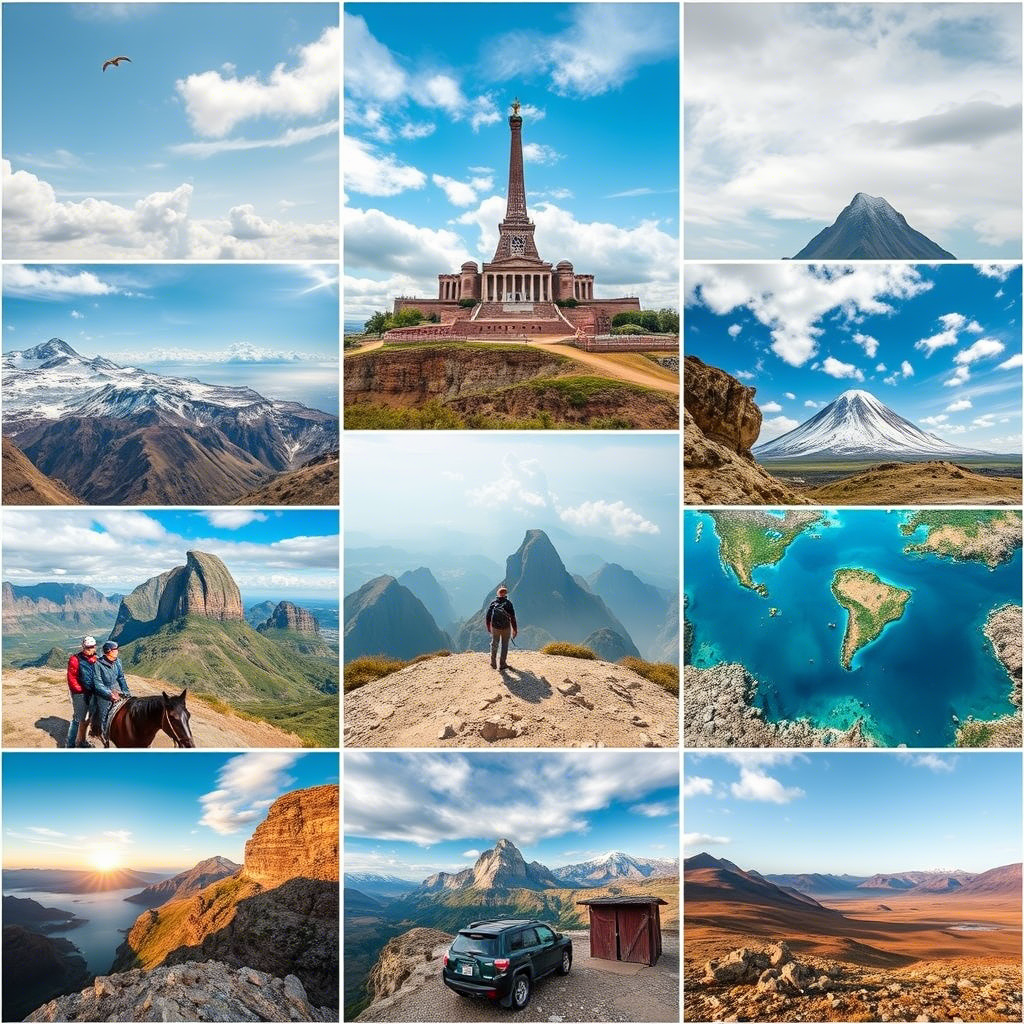
Travel Tips Research Your Destination
Learning about your destination prevents unexpected problems. Knowing local laws, customs, and emergency contacts improves safety. Researching transportation, medical facilities, and crime rates reduces risk. Awareness helps plan trips and avoid unsafe areas. Being prepared ensures your journey is secure and enjoyable.
Check Travel Alerts
Travel alerts from official sources provide updated safety information. These alerts inform about political unrest, weather risks, and health concerns. Monitoring alerts helps plan safer trips. Staying aware prevents accidents and ensures smooth travel.
Prepare Travel Documents
Keeping documents organized is essential. Passports, visas, and insurance should be secure. Copies reduce stress in case of loss or theft. Proper documentation simplifies border crossings and emergency situations.
Digital Backup
Keep digital copies of important documents in secure storage. Cloud or encrypted devices prevent loss. Digital backups ensure access to essential information anytime.
Emergency Contacts
List local embassy numbers, emergency services, and family contacts. Quick access in emergencies saves time and stress. Always double-check contact information before travel.
Travel Safety Tips for Accommodation
Choosing safe lodging is crucial. Research hotels or rentals in safe neighborhoods. Read reviews to understand safety standards. Using trusted platforms reduces risk. Proper planning ensures secure and comfortable stays.
Lock and Secure
Always lock doors and windows. Use hotel safes for valuables. Safe practices protect belongings.
Inspect Emergency Exits
Know exit routes in case of fire or emergencies. Awareness improves reaction time and safety. Check surroundings upon arrival.
Use Reliable Transportation
Safe transportation prevents accidents and theft. Choose licensed taxis, rideshares, or public transport. Verify credentials before boarding. Transportation planning reduces travel risk.
Public Transport Tips
Use marked buses and trains. Avoid isolated areas at night. Stay alert to surroundings.
Car Rentals
Inspect rental cars for damage. Lock doors and park in safe areas. Follow local driving rules.
Personal Safety Practices
Stay aware of surroundings. Avoid unsafe areas and suspicious people. Trust instincts and leave uncomfortable situations. Being proactive improves safety while traveling.
Stay Alert
Always watch your surroundings. Avoid distractions like headphones or excessive phone use. Alertness reduces risk.
Blend In
Dress like locals to avoid attracting attention. Avoid flashy jewelry or electronics. Blending in prevents theft.
Health Precautions
Health is vital for stress-free travel. Carry medications, stay hydrated, and follow local guidelines. Vaccinations and preventive measures reduce illness risk.
Vaccinations
Check required vaccinations for travel destinations. Stay updated on health alerts. Proper immunizations protect against diseases.
Hygiene Practices
Wash hands frequently. Use sanitizer and avoid unsafe water. Hygiene reduces illness risk during travel.
Stay Connected
Communication ensures safety. Keep local SIM cards or international plans. Share itineraries with friends or family. Staying connected prevents emergencies.
Inform Family
Share travel routes and hotel info. Check in regularly. Communication reduces worry for both travelers and families.
Use GPS Apps
Navigation apps guide safely. Avoid wandering into unsafe areas. GPS improves travel efficiency and safety.
Avoid Risky Areas
Certain neighborhoods or locations pose dangers. Research crime rates and local advice. Avoid areas with poor lighting or high incidents. Staying cautious prevents trouble.
Nighttime Safety
Avoid walking alone at night. Use taxis or rideshares. Stick to well-lit areas.
High-Risk Locations
Stay away from political protests or conflict zones. Follow travel alerts for updates. Awareness prevents accidents.

Secure Your Belongings
Theft is common in crowded areas. Use anti-theft bags and locks. Keep valuables close and avoid flashing money. Proper precautions prevent loss.
Use Anti-Theft Bags
Crossbody bags or backpacks with zippers enhance security. Protects wallets, phones, and passports.
Avoid Carrying Excess
Only carry essentials. Leave expensive items in hotel safes. Reduces risk of theft while traveling.
Money Safety
Carrying cash is risky. Use cards, digital wallets, and split money among bags. Managing money prevents emergencies.
Use Travel Cards
Travel credit cards provide security and rewards. Limit cash for convenience. Cards reduce risk of theft.
Emergency Funds
Keep backup money in a separate location. Ensures access during unforeseen situations.
Travel Insurance Essentials
Insurance protects against accidents, illness, and theft. Always check policies before travel. Insurance reduces financial stress during emergencies.
Health Coverage
Include medical coverage for global travel. Protects against hospital costs abroad.
Trip Cancellation
Policies for delays, cancellations, or lost luggage provide peace of mind. Planning ahead minimizes financial loss.
Travel Safety Tips for Solo Travelers
Solo travel requires extra vigilance. Stay alert, inform contacts, and avoid risky areas. Independence is enjoyable but requires preparation.
Safe Accommodations
Solo travelers should choose reputable hotels or hostels. Ensure staff availability 24/7.
Avoid Walking Alone
Stick to public areas and well-populated streets. Avoid isolated places at night.
Travel in Groups
Group travel improves safety. Coordinated plans reduce risk. Stay together and assign check-ins. Communication prevents emergencies.
Establish Meeting Points
Agree on central spots in case of separation. Helps regroup quickly.
Travel Buddies
Assign a buddy system for activities. Accountability improves group safety.
Monitor Travel Updates
Stay informed through official travel updates. Updates cover health, weather, and safety. Regular monitoring ensures timely actions.
Subscribe to Newsletters
Official websites and apps provide current safety information. Stay updated for smooth travel.
Mobile Alerts
Enable notifications from travel apps. Quick alerts prevent delays and risks.
Follow Local Laws
Respecting local rules avoids legal issues. Learn customs, traffic laws, and social norms. Compliance ensures trouble-free travel.
Cultural Awareness
Understand traditions and etiquette. Avoid behavior that attracts negative attention.
Legal Regulations
Follow local laws on alcohol, smoking, and public conduct. Awareness prevents fines or arrests.
Emergency Preparedness
Be ready for natural disasters, accidents, or health issues. Have a plan and contact numbers. Preparedness saves lives and reduces stress.
Plan Evacuation Routes
Know nearby hospitals and police stations. Identify safe zones.
Keep Emergency Kit
Include medications, flashlight, water, and first aid. Quick access helps during crises.
Use Technology for Safety
Apps, maps, and safety devices enhance protection. Technology reduces risk and improves awareness.
Safety Apps
Apps like Find My Friends, local emergency apps, and navigation tools provide assistance.
Travel Forums
Online communities share recent safety experiences. Useful for travel destinations insights.
Monitor Travel Trends
Following travel trends provides insights into safe travel practices. Trends reveal changes in safety protocols and popular safe destinations.
Health Trends
Tracking health news prevents exposure to outbreaks. Stay informed for peace of mind.
Safety Recommendations
Experts and travel bloggers share best practices. Follow trusted sources for updates.
Use Local Guides
Local guides enhance safety. They know areas, culture, and potential risks. Guides reduce the chance of getting lost.
Certified Guides
Use licensed guides for tours. Trusted guides provide security and insight.
Small Group Tours
Traveling in small guided groups improves safety. Easier to manage and communicate.
Maintain Physical Fitness
Being fit improves ability to react in emergencies. Physical health supports endurance and energy.
Exercise Before Travel
Simple workouts prepare you for long walks or hiking. Strength and stamina enhance safety.
Stay Active During Trips
Walking and light activity keeps energy levels up. Reduces fatigue and stress.
Frequent Check-Ins
Regular updates to friends or family prevent worry. Check-ins improve safety, especially for remote destinations.
Scheduled Calls
Call or message daily at pre-agreed times. Regular communication reassures loved ones.
Share Live Location
Use mobile apps to share location. Improves monitoring and emergency response.
Pack Smart for Safety
Proper packing ensures readiness for emergencies. Include first aid, flashlights, and backup devices. Smart packing reduces stress.
Emergency Essentials
Carry a small first aid kit, water, and snacks. Prepare for minor injuries or delays.
Light and Practical Bags
Avoid heavy luggage. Easy-to-carry bags improve mobility during emergencies.
Frequently Asked Questions
Q1: How can I stay safe while traveling abroad?
Follow travel tips, monitor alerts, and respect local laws.
Q2: What should I keep in my travel emergency kit?
Include medications, first aid, water, snacks, and flashlights.
Q3: Are solo travelers at higher risk?
Solo travelers must stay alert and use safe accommodations.
Q4: How do I monitor travel updates?
Use official government websites, travel apps, and newsletters.
Conclusion
Following travel tips ensures safe and stress-free journeys. Monitor travel updates and travel alerts. Respect local laws, secure belongings, and maintain health. Use technology, local guides, and emergency plans to protect yourself. Prepared travelers enjoy every moment while exploring new destinations. Prioritizing safety allows a fulfilling and worry-free global travel experience. Smart planning makes adventures memorable and secure.
About The Author
